Summer in the UAE is not a season you improvise your way through. From late May to September, daytime temperatures in Dubai routinely climb past 42°C, humidity along the coast pushes past 80%, and the outside air feels like a hairdryer aimed at your front door. A home that felt fine in March can turn into an expensive, sticky problem by July if nothing has been done to prepare it. The good news is that most of the work is neither difficult nor expensive. It just needs to happen before the heat lands, not during the first 45°C afternoon when every technician in the city is fully booked.
This guide walks through the practical steps that actually make a difference in a Dubai villa or apartment: servicing the air conditioner properly, controlling sunlight through the windows, sealing the small gaps that leak cool air, and adjusting a few daily habits that quietly cut your DEWA bill.
Start here
Service the air conditioner before you need it
The single most important thing you can do for a UAE home is get the AC in shape while the weather is still mild. Air conditioning is responsible for the majority of household electricity use in Dubai, and according to DEWA cooling can account for well over half of a typical summer bill. A neglected unit works harder, cools less, and eventually fails on the hottest day of the year.
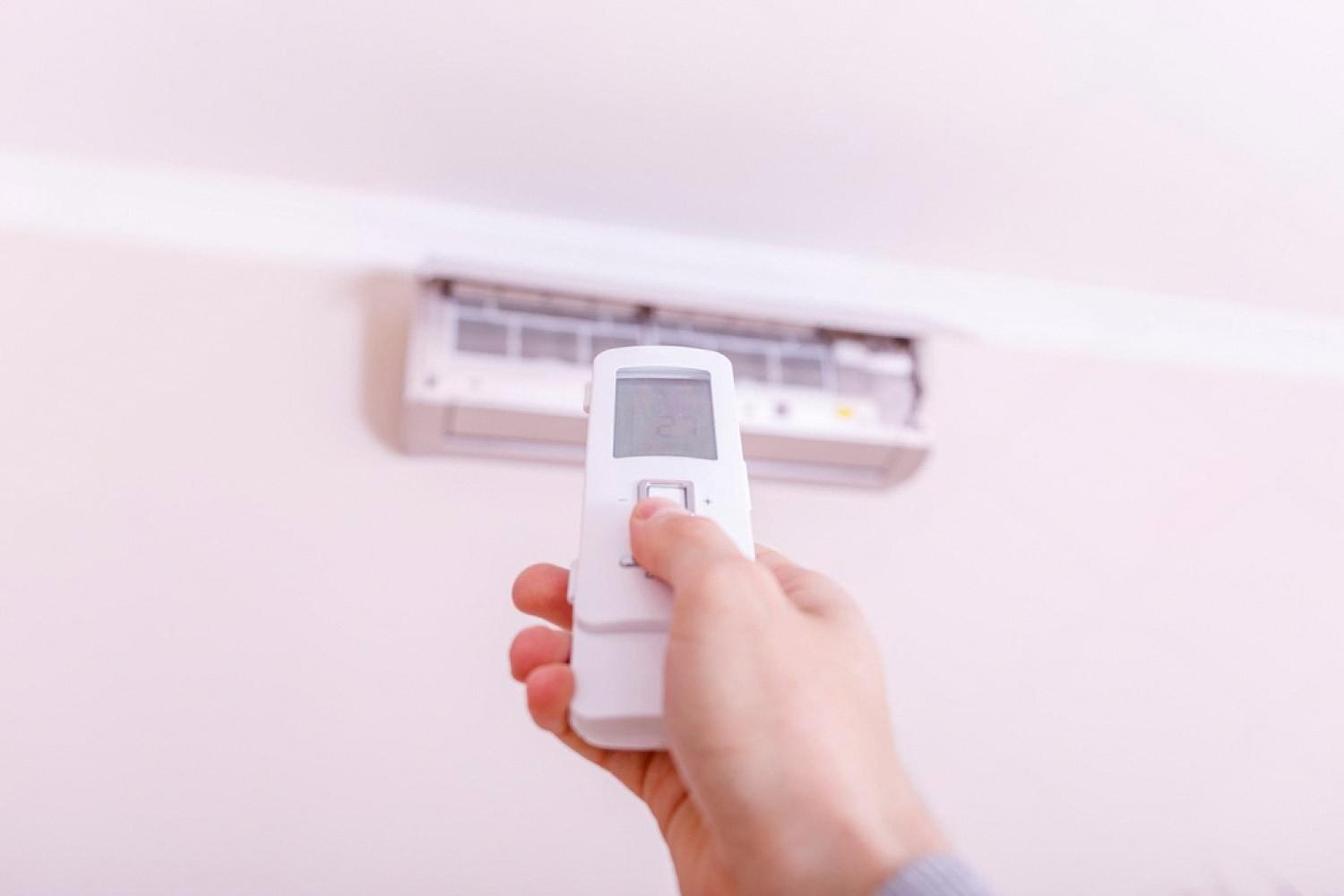
A proper pre-summer service is more than swapping the filter. A good technician will open the indoor unit, deep-clean the evaporator coil, flush the drain line, check the gas pressure, and inspect the outdoor condenser. If your unit hasn’t been touched in over a year, book a full AC repair and maintenance service now rather than waiting for it to start dripping water onto the ceiling in July.
What a proper AC service should include
- Deep coil cleaning on the indoor fan-coil unit
- Filter wash or replacement, plus a check for mould
- Drain pan and drain line flush to prevent leaks
- Refrigerant pressure check and top-up if needed
- Outdoor condenser cleaning, especially after sandstorms
- Thermostat calibration and airflow check across all vents
Control the sun before it enters the room
In Dubai, sunlight is not just light: it is heat pouring through the glass. South and west-facing windows in particular can lift a room’s temperature by several degrees between noon and sunset, forcing your AC to run non-stop just to catch up. Blocking that heat before it enters is far cheaper than removing it afterwards.
- Blackout curtains with a thermal lining are the most effective single upgrade for most apartments. Close them during peak sun hours (roughly 11:00 to 17:00) and open them again in the evening.
- Reflective window film applied to the glass itself cuts solar gain year-round, useful for large picture windows where curtains aren’t practical.
- External shadingsuch as balcony awnings or planted shade, stops heat before it ever touches the glass, and works best of all.
- Light-colour curtains on the outside layer reflect more heat than dark ones, even when the blackout lining sits behind them.
Seal the leaks that quietly drain your bill
Envelope
A surprising amount of cool air in Dubai homes escapes through gaps you can’t see: under the front door, around older window frames, and through unsealed extractor fans. Hot, humid outside air pushes in through the same gaps, forcing the AC to dehumidify and cool it all over again.
- Fit a rubber sweep or brush strip along the bottom of the main door
- Re-caulk the perimeter of aluminium window frames if the sealant has cracked
- Check the seal around the AC drain pipe where it exits the wall
- Close the bathroom door and kitchen extractor when not in use
- Inspect the balcony door gasket, a common weak point in older buildings
Set the thermostat like you mean it
There is a persistent myth in the Gulf that dropping the thermostat to 18°C cools a room faster. It doesn’t. The AC cools at the same rate regardless of the target temperature; a low setpoint just means it runs for far longer and burns much more electricity. UAE energy authorities and most manufacturers recommend a setpoint between 24°C and 26°C for comfort and efficiency.
- Set 24°C during the day when you’re home and active. Combined with a ceiling fan, it feels several degrees cooler.
- Nudge to 26°C at night. Sleep quality is better in slightly warmer, drier air with light bedding.
- Use “auto” fan mode instead of leaving the fan on “high” constantly, which recirculates humid air.
- Program a schedule if you have a smart thermostat, easing the temperature up when the flat is empty and back down 30 minutes before you return.
- Zone your cooling. Close vents and doors in unused bedrooms so the AC concentrates on the living areas.

Small habits that add up over 120 hot days
Beyond the big-ticket items, a handful of daily habits noticeably reduce the load on your home during a Dubai summer. None of them require money, only a bit of consistency once the temperatures climb.
Cook smart
Ovens and stovetops throw off enormous heat. Shift heavy cooking to mornings or evenings, and lean on the microwave, air fryer, and cold meals during midday.
Run appliances late
Dishwashers, washing machines, and dryers all release heat and humidity. Run them after 22:00 when outdoor temperatures drop and the AC has an easier time.
Swap the bulbs
If you still have halogen or old incandescent lamps, replace them with LEDs. They produce a fraction of the heat and cut lighting costs sharply.
A simple pre-summer checklist
Walk through the flat or villa once, ideally in April, with this list in hand. Most items take an afternoon and set the tone for the next five months.
- Book a full AC service, including coil cleaning and drain flush
- Wash or replace all AC filters, and set a reminder to repeat every 4 to 6 weeks
- Hang blackout curtains on south and west-facing windows
- Apply reflective film to large glass surfaces if curtains aren’t enough
- Reseal any cracked window and door gaskets
- Fit a door sweep on the main entrance
- Test the thermostat and set a summer schedule
- Stock spare AC filters and a small dehumidifier for humid coastal weeks
- Save the phone number of a reliable AC technician before you need it
Do the work once, in the cool weeks before the heat lands, and the rest of the summer takes care of itself. Your electricity bill will be lower, your rooms will feel calmer, and you won’t be one of the thousands of Dubai residents standing on a balcony in August waiting for someone to come fix a broken air conditioner.
Frequently asked questions
How often should I service my air conditioner in Dubai?
For most homes in Dubai, a full professional service once a year, ideally in March or April before peak summer, is the minimum. If you run the AC year-round or live in a dusty area near the desert or a construction site, aim for two services a year.
Between services, wash or replace the filters yourself every four to six weeks during summer. Clogged filters are the single most common cause of weak cooling and higher bills.
What is the best thermostat setting for a Dubai apartment in summer?
24°C to 26°C is the sweet spot recommended by most UAE energy guidelines. It keeps the apartment comfortable without forcing the AC to run constantly.
Setting the thermostat to 18°C or 20°C will not cool the room any faster, it just makes the compressor run for longer and increases your DEWA bill significantly.
Do blackout curtains really make a difference in the UAE?
Yes, and the difference is noticeable within a day. Direct sunlight through glass can add several degrees to a room’s temperature during Dubai afternoons. Blocking that heat before it enters means the AC works far less to hold the setpoint.
The effect is strongest on south, west, and south-west facing windows. Close the curtains from late morning until sunset, then reopen them for the evening.
Why does my AC leak water in summer?
The most common cause is a blocked drain line. Dust, algae, and mould build up inside the drainpipe until condensation can no longer flow out, and it backs up through the indoor unit instead.
A proper pre-summer service should include flushing the drain line. If a leak has already started, switch the unit off and call a technician: continuing to run it can damage the ceiling and the AC itself.
Is it worth using a dehumidifier in Dubai?
In coastal areas of the UAE, humidity in August and September can make even a well-cooled room feel sticky. A small portable dehumidifier in the bedroom or living room can improve comfort noticeably, especially at night.
It also reduces the risk of mould on walls, wardrobes, and around window frames, which is a common complaint in older buildings near the sea.
When should I start preparing my home for summer in the UAE?
March and April are the ideal months. Temperatures are still manageable, technicians have more availability, and prices for AC servicing and window treatments haven’t spiked with peak-season demand.
Waiting until May or June often means longer wait times for appointments and higher call-out fees, particularly if something breaks during a heatwave.

Hiking addict, mother of 2, hiphop head, hand letterer and brand builder. Producing at the fulcrum of art and elegance to craft experiences that go beyond design. I’m fueled by craft beer, hip-hop and tortilla chips.