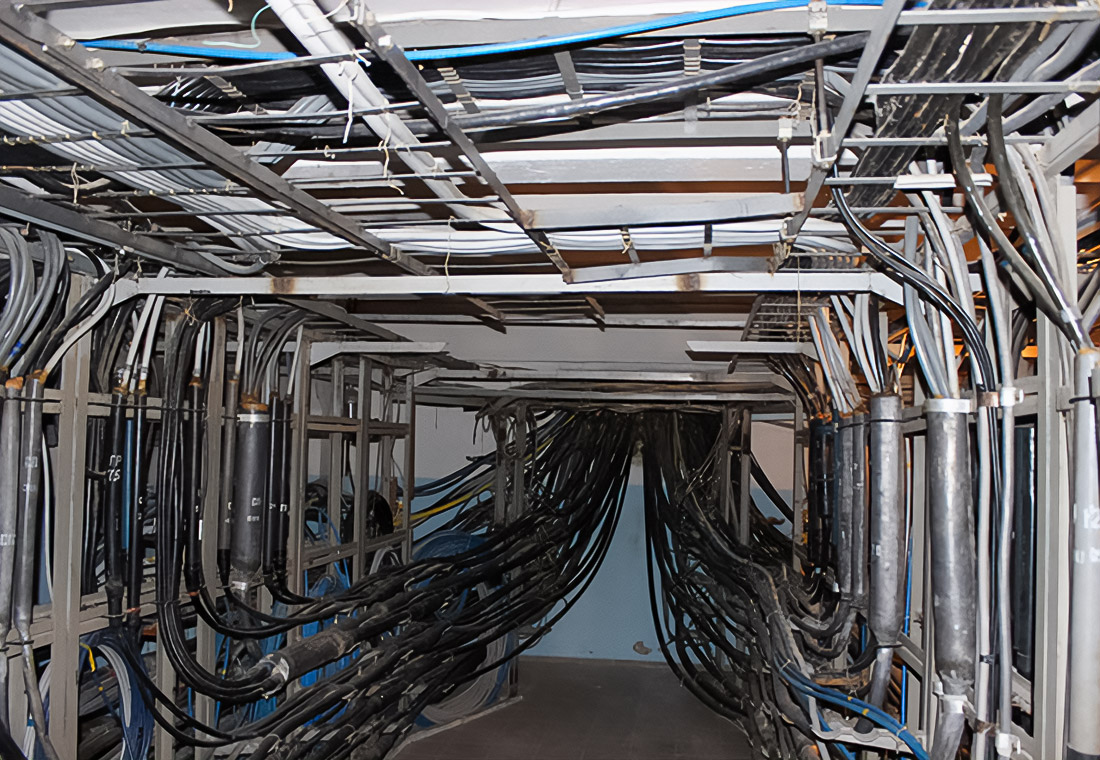
The transport hubs of a modern metropolis are striking in their scale and complexity. Subways, international airports, logistics hubs, and marine terminals all have one thing in common: each relies on an invisible but vital network of electrical and communication lines. These cables power the air conditioning, fire alarm, CCTV, FIDS and speaker communication systems. And in order for them to work without interruptions, cable trays, underground tracing and tamper proof channels are needed.
Engineering Standards And Safety
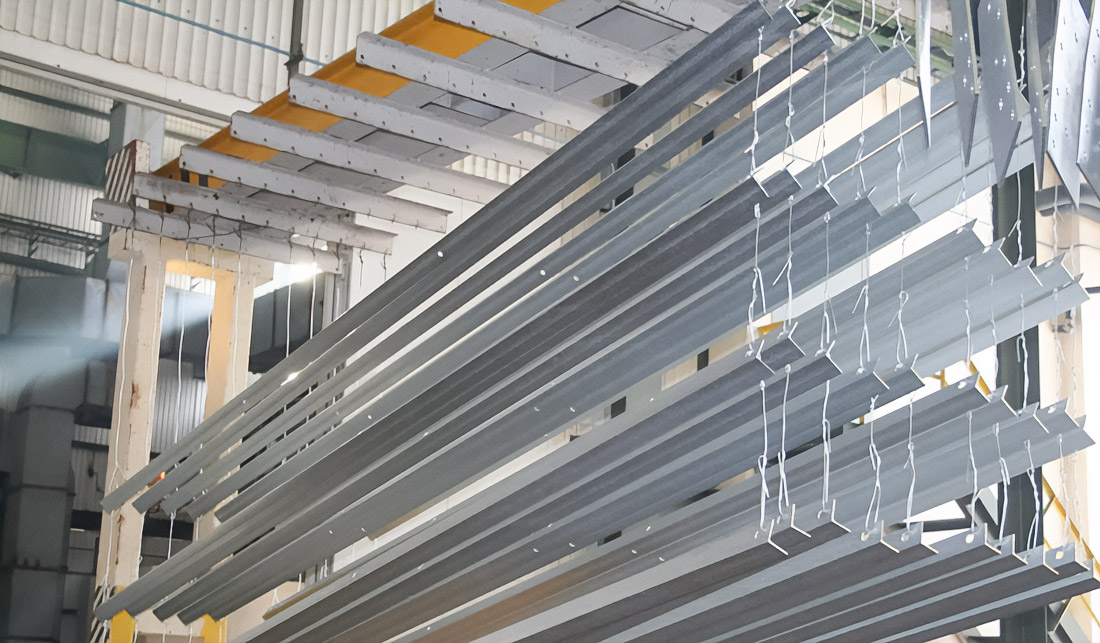
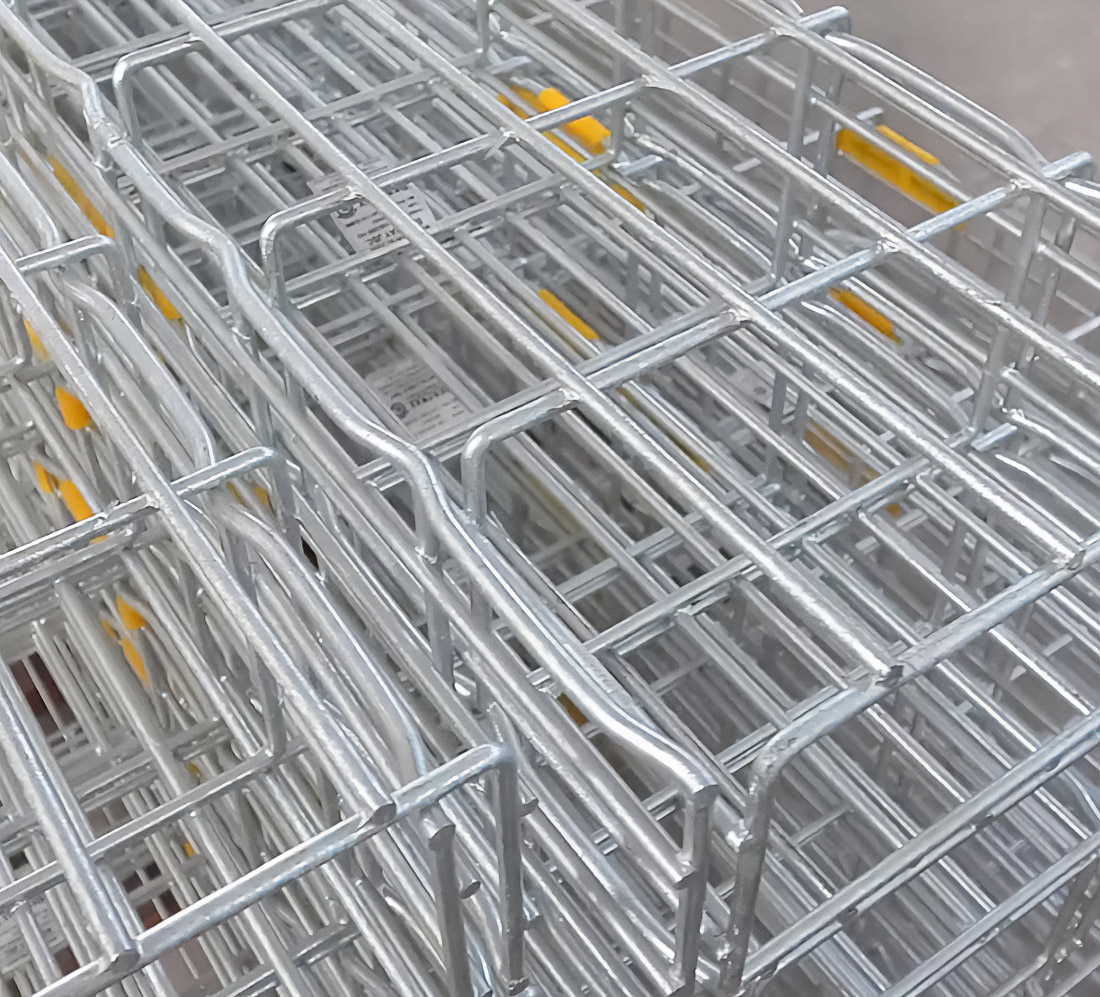
Cable management systems must be mechanically strong and resistant to corrosion, because we are talking about areas with high humidity and constant load. International airports use GI slot channels, ladder trays, and multicomponent cable channels that allow separation of power, data, and control lines. Where access is open to passengers, tamper proof structures are installed to prevent unauthorized access. Fire resistance is a prerequisite, because cables must remain functional even in emergency situations. All solutions comply with the standards of IEC 61537, NEMA VE1, as well as the requirements of the UAE civil defense.
Numbers That Show The Scale
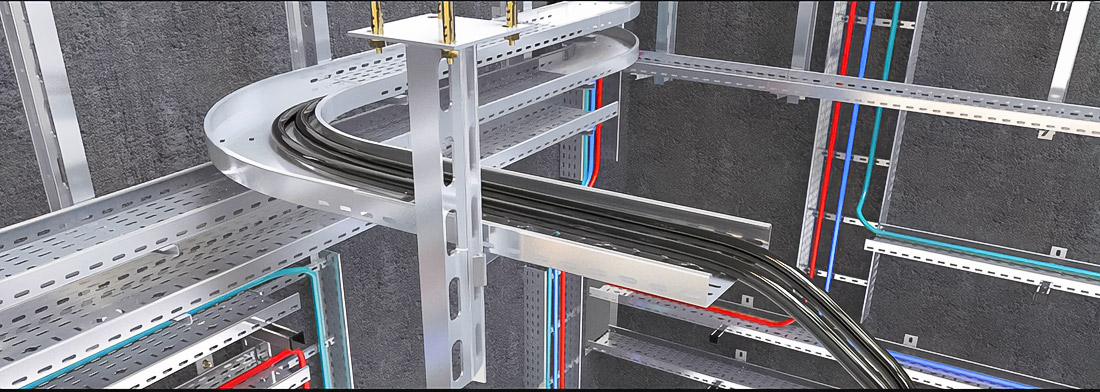
The numbers speak for themselves. The metro network has more than 3,000 surveillance cameras that monitor platforms, carriages and lobbies around the clock. The airport has one of the most complex baggage handling systems: the length of the conveyors exceeds 50 kilometers, and the terminal area reaches 160 thousand square meters at an altitude of 40 meters. This system required more than 200 kilometers of specialized cables that are resistant to high temperatures and dust. 639 industrial locks, from rotary to three point locks, have been installed in the metro for equipment cabinets and doors, which guarantees access control and security of critical areas.
Accessibility And Ease Of Use
Engineers take into account not only safety, but also ergonomics. Cable accessories corners, adapters, clamps, and splice plates allow you to quickly adapt tracks to different levels and angles. The underground tracing hides the communications, preserving the aesthetics of the halls and passenger areas. Tactile paths, platform signals, and elevator access are being introduced for people with disabilities. The infrastructure is designed using BIM and CAD, which simplifies modernization and reduces installation time. In fact, the constant demand for high-quality cable tray accessories demonstrates how even the smallest components play a crucial role in maintaining efficient and safe infrastructure.
Smart Technologies And New Solutions
Smart Airport Security has become a turning point. Automated screening lines, centralized image processing and intelligent algorithms make it possible to speed up the flow of passengers, reducing queues and reducing the burden on staff. Behind this is the cable management, which ensures the operation of CCTV, FIDS and emergency lighting systems. Projects like this demonstrate how cable trays and hidden channels integrate with security and access control technologies.
The Future Of Transportation Projects
The main example is the new Blue Line metro line. Its length will be 30 kilometers, and the number of stations will be fourteen. The project is designed to serve almost one million new residents and is scheduled to be completed in 2029. For the first time, the line meets the standards of “green buildings” and has received platinum status, which underlines the commitment to environmental standards. It will connect the airport with key areas, including Dubai Silicon Oasis and Academic City. Such a large-scale project requires cable systems capable of withstanding loads, high temperatures and aggressive environments.
Cable trays, underground tracing and tamper proof channels are the invisible framework of transportation security. They support communications, fire alarms, emergency lighting, and access control. Without reliable cable solutions, it is impossible to imagine an airport with 50 kilometers of conveyors, a terminal with an area of 160 thousand square meters, or a subway with thousands of cameras. In the future, with the expansion of networks and the growth of passenger traffic, the role of cable systems will only increase. They will remain the foundation on which the security and sustainability of the entire infrastructure is built.

Hiking addict, mother of 2, hiphop head, hand letterer and brand builder. Producing at the fulcrum of art and elegance to craft experiences that go beyond design. I’m fueled by craft beer, hip-hop and tortilla chips.